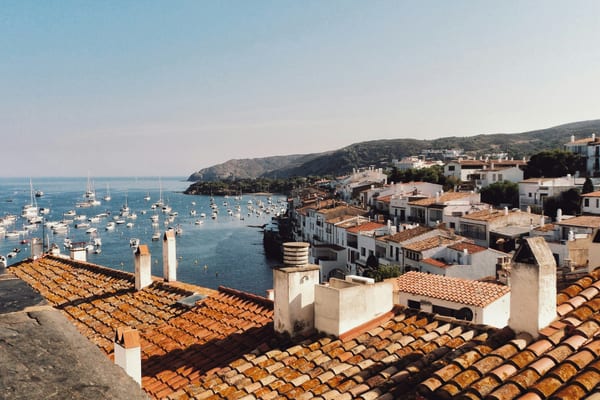








Barcelona stands as one of the Mediterranean's busiest cruise ports, serving as both a popular embarkation point and a compelling port of call. The city's Port Vell and World Trade Center terminals handle ships sailing to the Balearic Islands, French Riviera, Italian coast, and beyond.
Most Barcelona-based itineraries run 7 nights, typically heading west to Spain's islands and mainland ports or east toward Italy and Greece. You'll also find 10-14 night voyages that extend deeper into the Mediterranean or combine multiple regions. Shorter 3-5 night sailings are less common but occasionally available for quick getaways to nearby Spanish or French ports.
The city itself warrants at least a full day pre- or post-cruise. Gaudí's architecture, the Gothic Quarter, and Las Ramblas sit within easy reach of the cruise terminals, making Barcelona one of the few ports where the destination rivals the voyage itself.
How to choose the right Barcelona cruise
Barcelona serves as a gateway to the Mediterranean, but not all cruises from this port are created equal—your choice of itinerary, cruise line, and duration will dramatically shape your experience.
Understand how Western vs. Eastern Mediterranean itineraries differ
Western Mediterranean cruises typically explore France, Spain, and Italy, stopping at ports like Marseille, Monaco, Florence (via Livorno), and Rome. These sailings emphasize art, architecture, and culinary experiences—think Gaudi in Barcelona, Renaissance masterpieces in Florence, and French Riviera glamour. Eastern Mediterranean itineraries venture toward Greece, Croatia, and Turkey, offering ancient ruins, island-hopping, and a more exotic cultural flavor. If you're drawn to classical history and Aegean beaches, go East; if you want accessible European culture and world-class museums within shorter port distances, stick West.
Match the cruise line to your travel style
Mass-market lines like Royal Caribbean and MSC offer larger ships with extensive onboard amenities—ideal for families who want kids' clubs, waterslides, and Broadway-style entertainment. Premium lines such as Celebrity and Holland America provide a more refined atmosphere with better dining and fewer crowds, suiting couples and mature travelers. Luxury operators like Oceania and Seabourn feature smaller ships that dock in intimate ports the mega-ships can't reach, plus included excursions and specialty dining. Consider what matters more: the ship as a destination itself, or the ship as comfortable transportation between ports.
Consider duration based on how much ground you want to cover
Seven-day cruises are the Mediterranean standard, typically hitting 4-5 ports and offering a solid introduction without feeling rushed. Ten to twelve-day sailings allow for deeper exploration—you might combine Western Mediterranean highlights with North Africa (Morocco, Tunisia) or extend into the Greek islands. Shorter 4-5 day options exist but often feel like teasers, spending more time at sea than in port. First-time cruisers should start with a week-long voyage to gauge their comfort level; experienced travelers seeking immersion should opt for 10+ days.
Know who thrives on Barcelona departures
Barcelona cruises work beautifully for first-time European visitors who want cultural highlights without the logistics of multi-city train travel. Families appreciate the variety—beach days in Nice, history in Pompeii, gelato in Rome—that keeps different ages engaged. The Western Mediterranean's shorter distances mean less overnight sailing and more time in port, which suits travelers prone to seasickness or those who prioritize destinations over sea days. These cruises are less ideal for anyone seeking Caribbean-style relaxation or pure beach escapes; the Mediterranean rewards the curious and culturally engaged.
Best time to go on a Barcelona cruise
The ideal time for your Barcelona cruise depends on whether you prioritize perfect weather, smaller crowds, or budget-friendly rates.
Peak season: May through September
Summer brings Barcelona's warmest weather and longest days, with temperatures ranging from 75-85°F and minimal rainfall. However, this is when cruise ships are most crowded, shore excursion prices peak, and popular attractions like La Sagrada Familia and Park Güell require advance reservations. July and August see the highest temperatures—sometimes uncomfortably hot for walking tours—and the city fills with European vacationers. Expect to pay premium rates for both cruises and hotels if you're extending your stay.
Shoulder season: April and October
These months offer the sweet spot for many travelers, with pleasant temperatures in the 60s and 70s and significantly fewer tourists than summer. You'll find better cruise deals while still enjoying reliable weather for exploring Gaudí's architecture or strolling Las Ramblas. April brings occasional spring showers, but they're typically brief. October can be slightly warmer than April and features the city's wine harvest season, though you may encounter a few rainy days toward month's end.
Off-season: November through March
Winter cruises offer the lowest prices and thinnest crowds, but come with tradeoffs. Temperatures hover in the 50s with more frequent rain, and some outdoor attractions may feel less appealing. That said, Barcelona's museums, restaurants, and indoor cultural sites remain fully operational, and the mild Mediterranean climate means you'll rarely face harsh winter conditions. If you don't mind cooler weather and shorter daylight hours, you can save 30-40% compared to summer sailings while experiencing a more authentic, local side of the city.
What Barcelona Cruises Typically Cost
For a typical 10-night cruise to Barcelona, expect to pay around $1,078 per person for an interior cabin, though prices start as low as $349 depending on sailing dates and availability.
- Interior cabins represent the most budget-friendly option, with median pricing just over $1,000 for the full voyage
- Oceanview cabins run approximately 55% higher than interior rooms, adding natural light and window views to your accommodation
- Balcony cabins command a premium of roughly 80% over interior pricing, offering private outdoor space
- Suite accommodations cost nearly four times the interior rate, typically exceeding $4,000 per person with expanded square footage and enhanced amenities
- Prices fluctuate significantly based on season, specific itinerary, cruise line, and how far in advance you book
These figures reflect per-person rates based on double occupancy and typically include accommodations, meals, and onboard entertainment. Keep in mind that port fees, gratuities, excursions, specialty dining, and beverages usually cost extra. Barcelona cruises span various itineraries—from Western Mediterranean loops to transatlantic repositioning voyages—so cabin availability and pricing can vary considerably even within the same travel dates.
Top cruise lines for Barcelona cruises


Ports of call on Barcelona cruises
Civitavecchia
Civitavecchia serves as the main gateway to Rome, with cruise ships docking at this busy port on the Tyrrhenian Sea. While the port itself offers a glimpse of local life and a historic fort, most visitors head straight for the Eternal City, just over an hour away. In Rome, ancient wonders like the Colosseum, Roman Forum, and Pantheon await, alongside the treasures of Vatican City and St. Peter’s Basilica. For those staying closer to port, Civitavecchia’s seafront promenade, local markets, and the 16th-century Michelangelo Fortress offer a pleasant introduction to the region. The surrounding Lazio countryside also tempts with medieval towns and Etruscan sites, making Civitavecchia a practical starting point for exploring central Italy’s rich history and culture.
Explore cruises visiting Civitavecchia →Marseille
Marseille is France’s lively Mediterranean gateway, where cruise ships dock close to a city rich in maritime heritage and Provençal character. Come ashore to explore the historic Vieux-Port, lined with fishing boats and bustling cafés, or wander the narrow lanes of Le Panier, the city’s oldest quarter. The striking Notre-Dame de la Garde basilica offers sweeping views over the terracotta rooftops and sparkling sea. Art lovers can visit the MuCEM, a modern museum at the harbor’s edge, while food enthusiasts sample bouillabaisse and local markets. Marseille also serves as a base for day trips to the dramatic Calanques National Park or the charming towns of Aix-en-Provence and Cassis.
Explore cruises visiting Marseille →Genoa
Genoa’s labyrinthine old town brims with medieval alleyways, vibrant piazzas, and ornate palazzi that hint at its storied maritime past. The city’s bustling harbor and the striking architecture of the UNESCO-listed Via Garibaldi offer a distinct blend of history and lively urban culture.
Explore cruises visiting Genoa →Valencia
Valencia blends striking modern architecture with centuries-old charm, where the futuristic City of Arts and Sciences contrasts with the winding lanes of its historic old town. Lively markets and lush gardens add to the city’s vibrant Mediterranean atmosphere.
Explore cruises visiting Valencia →Livorno
Livorno blends a lively seafront atmosphere with a distinct Tuscan character, where canals wind through the historic Venezia Nuova district and bustling markets showcase local flavors. The city’s vibrant street art and grand 16th-century fortresses add a unique edge to its coastal charm.
Explore cruises visiting Livorno →Malaga
Malaga blends centuries-old Moorish architecture with a lively modern art scene, set against the backdrop of the sun-drenched Costa del Sol. Stroll through the historic Alcazaba fortress or explore the Picasso Museum to experience the city’s rich cultural tapestry.
Explore cruises visiting Malaga →Palma
Palma blends Gothic architecture and Mediterranean flair, with its striking La Seu Cathedral rising above a maze of lively old town streets. Stroll past centuries-old courtyards and bustling markets, or relax along the palm-lined waterfront that captures the city’s vibrant island spirit.
Explore cruises visiting Palma →Lisbon
Lisbon’s port welcomes you with its iconic pastel-colored buildings, steep hills, and the soulful sounds of fado drifting from historic Alfama. Wander through centuries-old streets to discover the grand Praça do Comércio and the intricate tilework of the Jerónimos Monastery, all set against the city’s vibrant, sunlit energy.
Explore cruises visiting Lisbon →FAQ for booking Barcelona cruises
How much should I budget for a 7-day Barcelona cruise?
For a week-long Barcelona cruise, expect to pay around $750-$800 per person for an interior cabin based on the typical 10-night pricing of $1,078. Keep in mind this covers only your cabin, meals, and onboard entertainment—you'll need to budget separately for port fees, gratuities (typically $14-18 per person per day), shore excursions ($50-150 per port), and any drinks or specialty dining. Total out-of-pocket costs often add 30-40% to your base cruise fare.
What's the cheapest month to cruise to Barcelona?
November through March offers the lowest prices on Barcelona cruises, with savings of 30-40% compared to summer sailings. You'll encounter cooler temperatures in the 50s and more frequent rain, but Barcelona's museums, restaurants, and indoor attractions remain fully operational. If you can tolerate shorter daylight hours and potentially less favorable weather for outdoor sightseeing, winter departures provide the best value.
Should I choose a Western or Eastern Mediterranean cruise from Barcelona?
Western Mediterranean cruises focus on France, Spain, and Italy with stops like Marseille, Monaco, Florence, and Rome—ideal if you want art, architecture, and culinary experiences with shorter sailing distances. Eastern Mediterranean itineraries head toward Greece, Croatia, and Turkey, offering ancient ruins, island beaches, and more exotic cultural experiences. Choose Western for accessible European culture and world-class museums, or Eastern if you're drawn to classical history and Aegean island-hopping.
Is a balcony cabin worth it on a Barcelona cruise?
Balcony cabins cost roughly 80% more than interior rooms on Barcelona cruises, which translates to an additional $850-900 per person for a typical 10-night sailing. The value depends on your priorities: Mediterranean cruises spend considerable time in port during daylight hours, meaning you'll be off the ship during the most scenic sailing. If you plan to be out exploring most days and primarily use your cabin for sleeping, an interior or oceanview room offers better value.
How far in advance should I book a Barcelona cruise?
Booking 6-12 months in advance typically yields the best combination of cabin selection and pricing, especially for peak season travel (May-September) when demand is highest. Last-minute deals do occasionally appear for shoulder and off-season sailings (April, October, November-March), but you'll have limited cabin choices and may miss out on preferred itineraries. If you have specific dates or want a particular cabin category, earlier booking provides more options even if prices are comparable.
Are Barcelona cruises good for first-time cruisers?
Barcelona cruises work exceptionally well for first-time cruisers, particularly those new to European travel who want cultural highlights without managing multi-city logistics. The Western Mediterranean's shorter distances between ports mean less overnight sailing and more time exploring destinations, which suits travelers concerned about seasickness. You'll experience variety—art and architecture in Barcelona, beaches on the French Riviera, ancient history in Rome—that keeps different interests and age groups engaged throughout the voyage.
What's included vs. extra on Barcelona Mediterranean cruises?
Your base cruise fare includes accommodations, main dining room meals, buffet options, and onboard entertainment like shows and pools. Port fees, gratuities, shore excursions, alcoholic beverages, specialty restaurants, spa services, and WiFi typically cost extra and can add significantly to your total expense. Some premium and luxury cruise lines include more amenities in their upfront pricing, so compare the total cost rather than just the advertised per-person rate when evaluating different cruise lines.