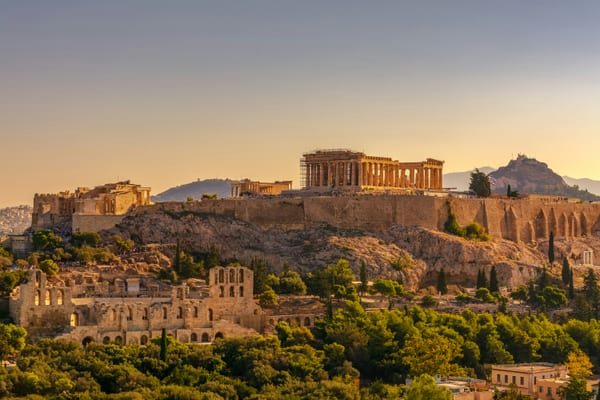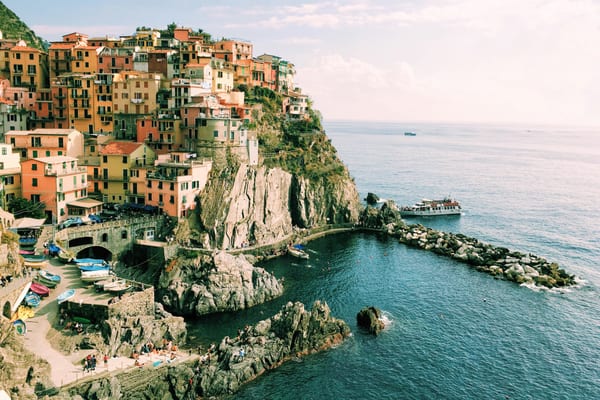








The Mediterranean remains one of the world's most popular cruise regions, offering access to multiple countries and cultures in a single voyage. Ships sail year-round here, with itineraries ranging from 3–5 night sampler cruises to comprehensive 10–14 night journeys that cover both eastern and western basins.
Most itineraries focus on either the Western Mediterranean (Barcelona, Rome, French Riviera, Italian coast) or Eastern Mediterranean (Greek islands, Turkey, Croatia), though longer voyages often combine both. The region's compact geography means you can wake up in a different country nearly every day, with port-intensive schedules that maximize time ashore.
The Mediterranean attracts both first-time cruisers drawn to iconic cities like Venice and Santorini, and repeat visitors who appreciate the efficient way to explore ancient ruins, coastal villages, and major European capitals without constant hotel changes.
How to choose the right Mediterranean cruise
The Mediterranean offers dozens of itinerary combinations, and picking the right one depends on matching the route, cruise line style, and ship size to what you actually want from the trip.
Western vs. Eastern itineraries serve different interests
Western Mediterranean cruises typically depart from Barcelona, Rome, or southern France and focus on Spain, France, and Italy's western coast. You'll see cities like Florence, Monaco, and Provence—ideal if art, food, and classic European culture top your list. Eastern Mediterranean routes leave from Venice, Athens, or Istanbul and cover Greece, Croatia, and Turkey, emphasizing ancient ruins, island hopping, and dramatic coastal scenery. If you want a mix, some 10–12 night cruises combine both regions, though you'll spend more days at sea.
Cruise line choice shapes your onboard experience and port time
Mass-market lines like Royal Caribbean and MSC run large ships with extensive amenities—waterslides, Broadway shows, multiple dining venues—but they attract bigger crowds at popular ports and may offer shorter time in each city. Premium lines such as Celebrity or Holland America provide a more refined atmosphere with better food and service, while luxury operators like Oceania or Azamara use smaller ships that access ports like Kotor or Santorini that larger vessels can't reach. Azamara and Viking also build in longer port stays or overnight stops, giving you evening hours to explore cities after day-trippers leave.
Match the itinerary to your travel style and companions
First-time cruisers and families do well with 7-night Western Mediterranean sailings from easily accessible ports—the itineraries are straightforward, shore excursions are well-organized, and kids stay engaged with recognizable cities like Rome and Barcelona. Couples seeking romance or history buffs should consider Greek Isles routes with smaller ports like Mykonos, Rhodes, or Dubrovnik. If you've cruised the region before, look for repositioning cruises or longer voyages that include less-visited ports in Malta, Tunisia, or Israel's coast.
Departure port matters more than you'd think
Your home port determines not just your itinerary but your entire logistics. Barcelona and Rome (Civitavecchia) are the most common starting points with the best flight connections, but you'll likely want to arrive a day early since most ships depart by early afternoon. Venice and Athens offer more exotic Eastern routes but require longer transfers from airports to port. If you're short on time, consider roundtrip cruises from the same port rather than one-way repositioning sailings that require flights into one city and out of another.
Best time to go on a Mediterranean cruise
The Mediterranean cruise season runs from April through November, with each period offering distinct advantages depending on your priorities for weather, budget, and crowds.
Peak season (June through August) brings sunshine and energy
Summer delivers guaranteed warm weather and long daylight hours, perfect for beach days and extended port exploration. However, this is when you'll encounter the highest prices, fully booked ships, and crowded attractions at popular stops like Santorini, Barcelona, and the Amalfi Coast. Temperatures can soar above 90°F in July and August, making midday sightseeing uncomfortable in cities like Athens or Rome.
Shoulder season (April, May, September, and October) offers the sweet spot
These months provide the best balance of pleasant weather, reasonable prices, and manageable crowds. Spring brings blooming landscapes and temperatures in the 60s-70s°F, while early fall offers warm seas perfect for swimming and harvest season in coastal regions. You'll find shorter lines at major attractions, better availability at restaurants, and cruise fares typically 20-30% lower than peak summer rates.
Off-season (November through March) means bargains with limitations
Winter cruises offer the lowest prices and nearly empty ships, but come with significant tradeoffs. Many Mediterranean ports reduce hours or close attractions entirely, seas can be rough, and you'll face unpredictable weather with temperatures ranging from the 40s-60s°F. Some cruise lines also reduce their Mediterranean itineraries during these months, limiting your options. This period works best for experienced cruisers who prioritize value over ideal conditions.
What Mediterranean Cruises Cost
For a typical 7-night Mediterranean cruise, expect to pay around $986 per person for an interior cabin, though prices start as low as $249 during off-peak periods or promotional sales.
- Interior cabins represent the most budget-friendly option, with median pricing just under $1,000 per person for a week-long sailing
- Oceanview cabins run approximately $400 more than interior rooms, adding natural light and window views without the premium of outdoor space
- Balcony cabins typically cost around $680 more than interior accommodations, offering private outdoor access to enjoy sea days and coastal scenery
- Suite categories command roughly 2.6 times the price of interior cabins, reflecting additional space, upgraded amenities, and enhanced service levels
These figures reflect per-person rates based on double occupancy and generally cover accommodations, main dining, and basic onboard activities. Keep in mind that Mediterranean itineraries vary significantly in price depending on departure port, time of year, cruise line, and specific ports of call, so the lowest available rates usually correspond to repositioning cruises, shoulder season departures, or last-minute inventory.
Top cruise lines for Mediterranean cruises


Ports of call on Mediterranean cruises
Barcelona
Barcelona pulses with creative energy, where Gaudí’s surreal architecture and the lively La Rambla promenade set a vibrant urban scene. Stroll through the historic Gothic Quarter or savor tapas in bustling markets, all framed by the city’s distinctive blend of old-world charm and modern flair.
Explore cruises visiting Barcelona →Civitavecchia
Civitavecchia serves as the main gateway to Rome, with cruise ships docking at this busy port on the Tyrrhenian Sea. While the port itself offers a glimpse of local life and a historic fort, most visitors head straight for the Eternal City, just over an hour away. In Rome, ancient wonders like the Colosseum, Roman Forum, and Pantheon await, alongside the treasures of Vatican City and St. Peter’s Basilica. For those staying closer to port, Civitavecchia’s seafront promenade, local markets, and the 16th-century Michelangelo Fortress offer a pleasant introduction to the region. The surrounding Lazio countryside also tempts with medieval towns and Etruscan sites, making Civitavecchia a practical starting point for exploring central Italy’s rich history and culture.
Explore cruises visiting Civitavecchia →Marseille
Marseille is France’s lively Mediterranean gateway, where cruise ships dock close to a city rich in maritime heritage and Provençal character. Come ashore to explore the historic Vieux-Port, lined with fishing boats and bustling cafés, or wander the narrow lanes of Le Panier, the city’s oldest quarter. The striking Notre-Dame de la Garde basilica offers sweeping views over the terracotta rooftops and sparkling sea. Art lovers can visit the MuCEM, a modern museum at the harbor’s edge, while food enthusiasts sample bouillabaisse and local markets. Marseille also serves as a base for day trips to the dramatic Calanques National Park or the charming towns of Aix-en-Provence and Cassis.
Explore cruises visiting Marseille →Corfu
Corfu blends Venetian charm with lush Mediterranean landscapes, where pastel-hued Old Town alleys lead to lively squares and historic fortresses. Olive groves and cypress-dotted hills frame the island’s coastline, inviting exploration of both its cultural heritage and natural beauty.
Explore cruises visiting Corfu →Kotor
Kotor enchants with its medieval Old Town, a maze of narrow stone streets framed by ancient city walls and lively squares. Towering mountains and the dramatic Bay of Kotor create a striking backdrop, while centuries-old churches and fortress hikes offer a glimpse into Montenegro’s layered history and natural grandeur.
Explore cruises visiting Kotor →Mykonos
Mykonos enchants with its maze of whitewashed lanes, vibrant bougainvillea, and iconic windmills overlooking the Aegean. The lively harbor and charming Old Town invite exploration, while nearby beaches and waterfront cafés capture the island’s relaxed yet cosmopolitan spirit.
Explore cruises visiting Mykonos →Dubrovnik
Dubrovnik enchants with its medieval stone walls encircling a maze of terracotta rooftops and marble streets, where centuries-old architecture meets lively cafés. Stroll the UNESCO-listed Old Town or gaze out over the Adriatic from the city’s ancient ramparts for a glimpse into Croatia’s rich coastal heritage.
Explore cruises visiting Dubrovnik →Genoa
Genoa’s labyrinthine old town brims with medieval alleyways, vibrant piazzas, and ornate palazzi that hint at its storied maritime past. The city’s bustling harbor and the striking architecture of the UNESCO-listed Via Garibaldi offer a distinct blend of history and lively urban culture.
Explore cruises visiting Genoa →FAQ for booking Mediterranean cruises
What's the difference between Western and Eastern Mediterranean cruises?
Western Mediterranean cruises focus on Spain, France, and Italy's western coast, featuring cities like Barcelona, Florence, and Monaco with an emphasis on art, food, and classic European culture. Eastern Mediterranean routes cover Greece, Croatia, and Turkey, highlighting ancient ruins, Greek island hopping, and dramatic coastal scenery with ports like Athens, Santorini, and Dubrovnik.
How much should I budget for a Mediterranean cruise?
For a 7-night Mediterranean cruise, expect to pay around $986 per person for an interior cabin, with balcony cabins running approximately $1,666 per person and suites costing roughly $2,564 per person based on double occupancy. These rates cover accommodations, main dining, and basic onboard activities, but you'll need to budget separately for flights, shore excursions, drinks, gratuities, and any pre- or post-cruise hotel stays.
When is the cheapest time to cruise the Mediterranean?
The lowest prices occur during shoulder season (April, May, September, and October) and off-season (November through March), with shoulder season fares typically 20-30% lower than peak summer rates. Off-peak promotional periods can drop prices as low as $249 per person for interior cabins, though winter sailings come with weather tradeoffs and reduced port hours.
Should I choose a large ship or small ship for a Mediterranean cruise?
Large ships from mass-market lines offer extensive amenities like waterslides and Broadway shows but attract bigger crowds at ports and may have shorter time in each city. Smaller ships from luxury lines can access ports like Kotor or Santorini that larger vessels can't reach and often include longer port stays or overnight stops, giving you evening hours to explore after day-trippers leave.
Is a Mediterranean cruise worth it for first-timers?
Mediterranean cruises work well for first-timers, especially 7-night Western Mediterranean sailings from Barcelona or Rome that cover recognizable cities with well-organized shore excursions and straightforward logistics. The region offers an efficient way to sample multiple countries without constant hotel changes, though you'll want to arrive at your departure port a day early since most ships leave by early afternoon.
What's the best Mediterranean cruise length for seeing multiple countries?
A 7-night cruise covers 4-5 ports and works well for first-time visitors focusing on either Western or Eastern highlights, while 10-12 night sailings can combine both regions for a more comprehensive experience. Longer itineraries mean more days at sea but allow access to less-visited ports in Malta, Tunisia, or Israel that shorter cruises skip.
Do I need to book shore excursions in advance for Mediterranean cruises?
Popular Mediterranean ports like Santorini, the Amalfi Coast, and Barcelona fill up quickly during peak season (June-August), so booking key excursions in advance ensures availability and helps you avoid long lines at major attractions. During shoulder season (April, May, September, October), you'll have more flexibility to book closer to your cruise date or explore independently with shorter wait times.