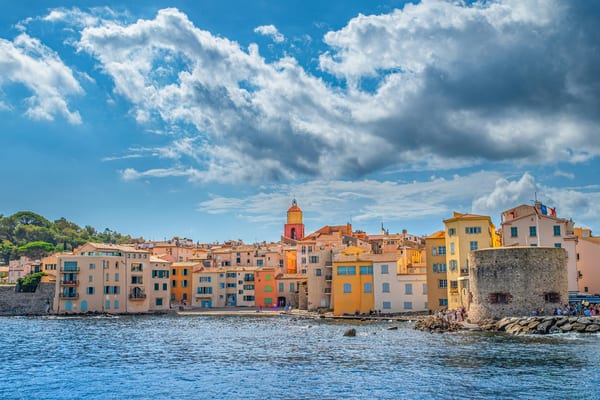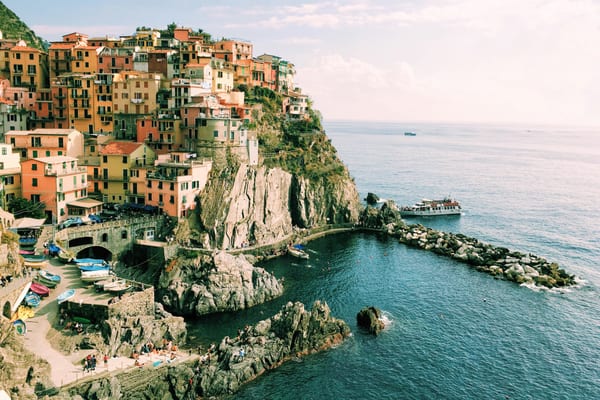



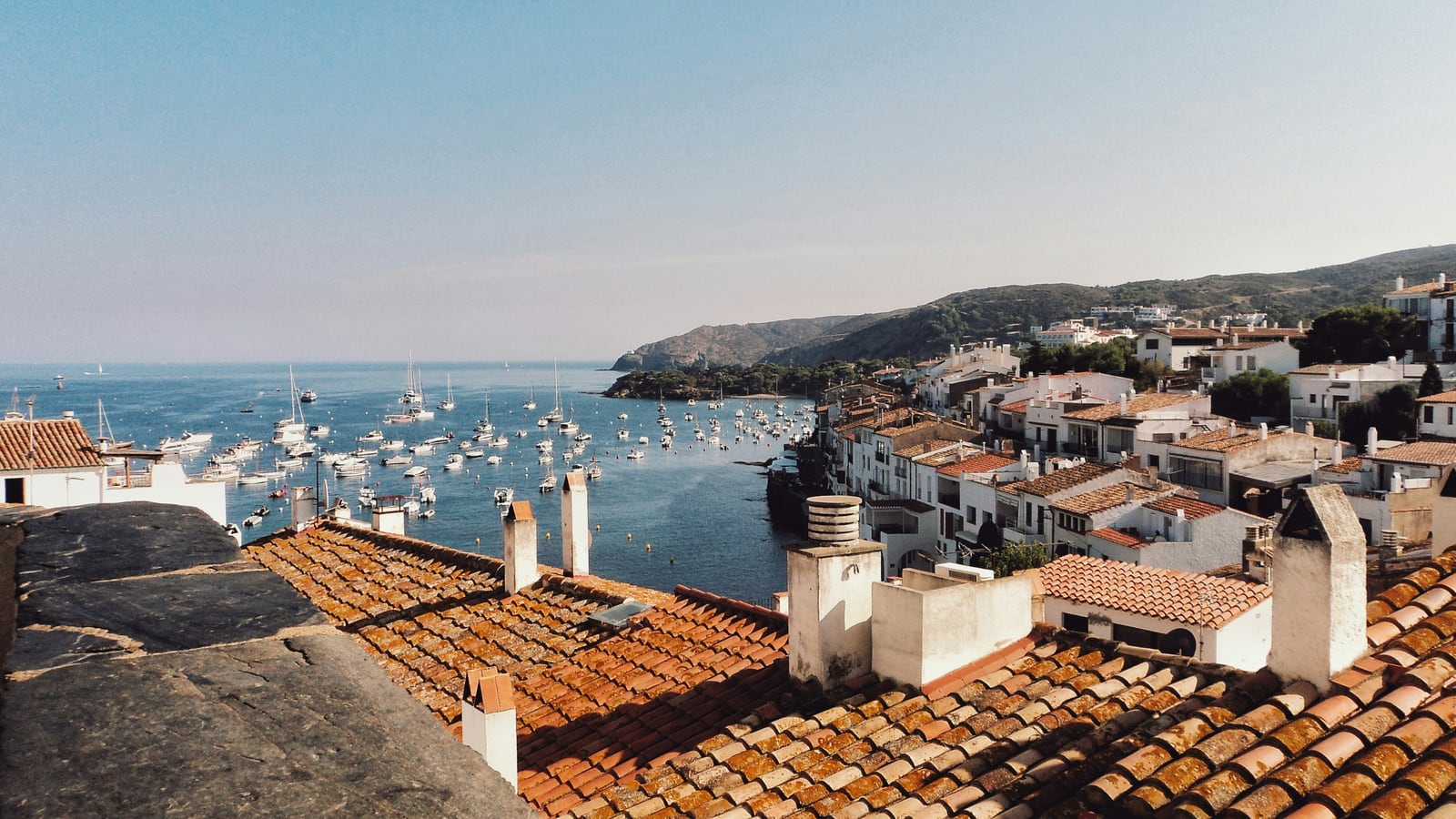




Spain ranks among Europe's most visited cruise destinations, offering access to Mediterranean beaches, historic cities, and distinct regional cultures. Most cruises call at Barcelona or Valencia on the east coast, Málaga in the south, or Atlantic ports like Vigo and A Coruña in the northwest.
Western Mediterranean itineraries typically run 7 nights, often combining Spain with France and Italy. Shorter 3–5 night sailings focus on the Spanish coast or include nearby Morocco. Longer voyages may incorporate the Canary Islands or position cruises between the Mediterranean and Northern Europe.
Barcelona serves as both a major embarkation port and a popular pre- or post-cruise stay, while smaller ports like Palma de Mallorca and Cartagena provide access to islands and coastal towns that draw repeat cruisers.
How to choose the right Spain cruise
Spain's cruise options vary widely by region, departure port, and onboard style—here's how to match the right itinerary and cruise line to your travel priorities.
Decide which Spanish regions matter most to you
Spain cruises typically fall into three categories: Mediterranean routes that focus on Barcelona and the eastern coast, Atlantic itineraries featuring northern ports like Bilbao and A Coruña, or repositioning cruises that combine both. If you want classic Spanish highlights—Gaudí's architecture, tapas culture, and beach towns—stick with Mediterranean sailings that include Barcelona, Valencia, and sometimes Málaga or Cartagena. Northern Spain itineraries appeal to travelers seeking Celtic heritage, dramatic coastlines, and fewer crowds, often pairing Spanish ports with stops in Portugal or France. Many Western Mediterranean cruises also bundle Spain with Italy, France, or Morocco, so check how many days are actually spent in Spanish ports versus neighboring countries.
Match the cruise line to your onboard expectations
Your cruise line choice shapes the experience as much as the itinerary itself. Luxury lines like Oceania and Azamara offer longer port stays (sometimes overnight in Barcelona) and more immersive shore excursions, ideal for travelers who prioritize destination time over onboard entertainment. Mainstream lines like Royal Caribbean and MSC cater well to families with kids' clubs, multiple dining venues, and active amenities, though port time may be shorter. River cruises along the Douro or Guadalquivir provide an entirely different pace—intimate ships, included excursions, and access to inland cities like Seville that ocean ships can't reach. Consider whether you want the cruise to be the destination itself or simply comfortable transportation between ports.
Consider departure ports and cruise duration
Round-trip cruises from Barcelona are the most common and convenient if you want to skip the logistics of repositioning flights, typically running 7–10 days around the Western Mediterranean. One-way itineraries between Barcelona and Rome, Lisbon, or Southampton offer more variety but require flights into different cities. Shorter 4–5 day cruises from Barcelona work well for first-time cruisers testing the waters or travelers combining a cruise with a land-based Spanish vacation. Longer 10–14 day voyages often include the Canary Islands or North Africa alongside mainland Spain, better suited to retirees or travelers with flexible schedules who want a more comprehensive Mediterranean experience.
Know who will enjoy Spain cruises most
Spain cruises work exceptionally well for multigenerational families—the ports offer something for everyone from history buffs to beach lovers, and many cruise lines provide childcare and family-friendly excursions. Couples seeking culture, cuisine, and walkable port cities will find Spain more rewarding than Caribbean beach stops, especially if you book excursions focused on food markets, wine regions, or architectural tours. First-time cruisers benefit from Spain's easy-to-navigate ports where English is widely spoken in tourist areas, and the Mediterranean's typically calm waters. If you're the type who gets restless on sea days, prioritize itineraries with daily or near-daily port stops rather than longer transatlantic crossings that happen to include one or two Spanish cities.
Best time to go on a Spain cruise
The ideal time for your Spain cruise depends on whether you prioritize perfect weather, smaller crowds, or budget-friendly rates.
Peak season: June through August
Summer brings the warmest Mediterranean weather and longest daylight hours, but you'll pay premium prices and navigate crowded ports alongside thousands of other cruisers. Temperatures regularly hit the high 80s and low 90s, which can feel intense when exploring cities like Barcelona or Seville. Book well in advance if you're set on summer dates, as popular itineraries sell out quickly and shore excursions fill up fast.
Shoulder season: April, May, September, and October
These months offer the sweet spot for most travelers—pleasant temperatures in the 70s, significantly lower cruise fares, and manageable crowds at major attractions. You'll still get reliable sunshine and calm seas, especially in May and September. The shoulder months also coincide with local festivals like Seville's Feria de Abril and Barcelona's La Mercè, giving you authentic cultural experiences without the summer tourist crush.
Off-season: November through March
Winter cruising means rock-bottom prices and nearly empty tourist sites, but weather becomes unpredictable with cooler temperatures (50s-60s) and occasional rain. Some Mediterranean itineraries reduce frequency or shift to the Canary Islands, which maintain milder winter climates. If you don't mind packing layers and can handle the possibility of choppy seas, off-season cruises deliver exceptional value and a more intimate experience at Spain's ports.
What Spain Cruises Typically Cost
For a typical 7-night cruise to Spain, expect to pay around $1,374 per person for an interior cabin, though prices start as low as $179 depending on sailing dates and availability.
- Interior cabins serve as the baseline, with median pricing at $1,374 per person for the week-long voyage
- Oceanview cabins run approximately $220 more than interior options, adding natural light and window views to your accommodation
- Balcony cabins typically cost about $400 above interior pricing, offering private outdoor space to enjoy coastal scenery
- Suite accommodations command premium pricing at roughly double the interior rate, reflecting additional space and enhanced amenities
- Budget-conscious travelers can find interior cabins starting from $179 on select sailings, particularly during shoulder seasons or promotional periods
Pricing varies significantly based on your departure month, specific itinerary (Western Mediterranean routes differ from Atlantic coastal sailings), and how far in advance you book. The cabin category you choose will be your largest cost variable, but the destination itself offers relatively consistent pricing compared to more remote cruise regions.
Top cruise lines for Spain cruises


Ports of call on Spain cruises
Barcelona
Barcelona pulses with creative energy, where Gaudí’s surreal architecture and the lively La Rambla promenade set a vibrant urban scene. Stroll through the historic Gothic Quarter or savor tapas in bustling markets, all framed by the city’s distinctive blend of old-world charm and modern flair.
Explore cruises visiting Barcelona →Palma
Palma blends Gothic architecture and Mediterranean flair, with its striking La Seu Cathedral rising above a maze of lively old town streets. Stroll past centuries-old courtyards and bustling markets, or relax along the palm-lined waterfront that captures the city’s vibrant island spirit.
Explore cruises visiting Palma →Ibiza
Ibiza’s port welcomes you to the heart of the Balearic Islands, where whitewashed old town walls rise above a lively waterfront. Come ashore to explore Dalt Vila, the UNESCO-listed historic quarter with its cobbled lanes, hilltop cathedral, and panoramic sea views. The marina area is lined with cafés and boutiques, while nearby beaches like Talamanca and Figueretas offer a taste of the island’s laid-back side. Ibiza Town is also a gateway to the island’s famous nightlife, local markets, and tranquil inland villages, making it easy to experience both the energetic and peaceful sides of this Mediterranean favorite.
Explore cruises visiting Ibiza →Valencia
Valencia blends striking modern architecture with centuries-old charm, where the futuristic City of Arts and Sciences contrasts with the winding lanes of its historic old town. Lively markets and lush gardens add to the city’s vibrant Mediterranean atmosphere.
Explore cruises visiting Valencia →Malaga
Malaga blends centuries-old Moorish architecture with a lively modern art scene, set against the backdrop of the sun-drenched Costa del Sol. Stroll through the historic Alcazaba fortress or explore the Picasso Museum to experience the city’s rich cultural tapestry.
Explore cruises visiting Malaga →FAQ for booking Spain cruises
How much should I budget for a 7-night Spain cruise?
Plan on approximately $1,374 per person for an interior cabin on a typical 7-night Spain cruise, though prices can start as low as $179 during promotional periods or shoulder seasons. Your total cost will vary significantly based on cabin type—oceanview cabins add about $220, balconies cost roughly $400 more, and suites run about double the interior rate. Beyond the cruise fare, factor in shore excursions, drinks, specialty dining, and gratuities, which can add several hundred dollars per person to your overall budget.
What's the difference between Mediterranean and Atlantic Spain cruise itineraries?
Mediterranean Spain cruises focus on the eastern coast with ports like Barcelona, Valencia, and Málaga, emphasizing Gaudí's architecture, beach culture, and classic Spanish highlights often combined with stops in Italy or France. Atlantic itineraries feature northern Spanish ports such as Bilbao and A Coruña, offering Celtic heritage, dramatic coastlines, and fewer crowds, typically paired with Portugal or France. Mediterranean routes suit travelers wanting iconic Spanish experiences and warmer weather, while Atlantic sailings appeal to those seeking less-touristy destinations and rugged coastal scenery.
When is the cheapest time to cruise to Spain?
November through March offers the lowest cruise fares and nearly empty tourist sites, though you'll encounter cooler temperatures in the 50s-60s and unpredictable weather with occasional rain. Some Mediterranean itineraries reduce frequency during winter or shift to the Canary Islands, which maintain milder climates. If you can handle packing layers and the possibility of choppy seas, off-season cruises deliver exceptional value compared to premium summer pricing.
Should I choose a round-trip or one-way Spain cruise?
Round-trip cruises from Barcelona (typically 7–10 days) offer the most convenience since you fly in and out of the same city, avoiding repositioning logistics and extra flights. One-way itineraries between cities like Barcelona and Rome, Lisbon, or Southampton provide more port variety and longer routes but require booking flights into different cities. Choose round-trip if you prioritize simplicity and want to add pre- or post-cruise time in Barcelona; opt for one-way if you're comfortable with more complex travel arrangements and want to see a broader region.
Are Spain cruises good for families with kids?
Spain cruises work exceptionally well for multigenerational families since the ports offer diverse activities from beaches to historical sites, and mainstream cruise lines provide kids' clubs and family-friendly shore excursions. The Mediterranean's typically calm waters and easy-to-navigate ports where English is widely spoken make Spain more accessible than remote destinations. Lines like Royal Caribbean and MSC cater specifically to families with multiple dining venues and active onboard amenities, though port time may be shorter than on luxury lines.
How do I choose between a large ship and a small ship for Spain?
Luxury and smaller ships like Oceania and Azamara offer longer port stays—sometimes overnight in Barcelona—and more immersive excursions, ideal if you prioritize destination time over onboard entertainment. Mainstream large ships provide more dining options, kids' clubs, and active amenities but typically spend less time in port. River cruises on the Douro or Guadalquivir offer the most intimate experience with included excursions and access to inland cities like Seville that ocean ships can't reach, though at a slower pace with fewer passengers.
What should I look for when comparing Spain cruise itineraries?
Check how many days are actually spent in Spanish ports versus neighboring countries, since many Western Mediterranean cruises bundle Spain with Italy, France, or Morocco. Look for itineraries with daily or near-daily port stops rather than multiple sea days if you prefer active exploration over onboard relaxation. Consider whether the route focuses on Mediterranean highlights (Barcelona, Valencia, Málaga) or Atlantic ports (Bilbao, A Coruña), as these offer distinctly different cultural experiences and landscapes.