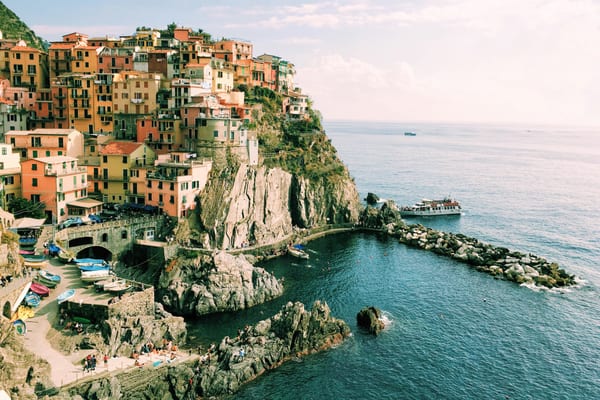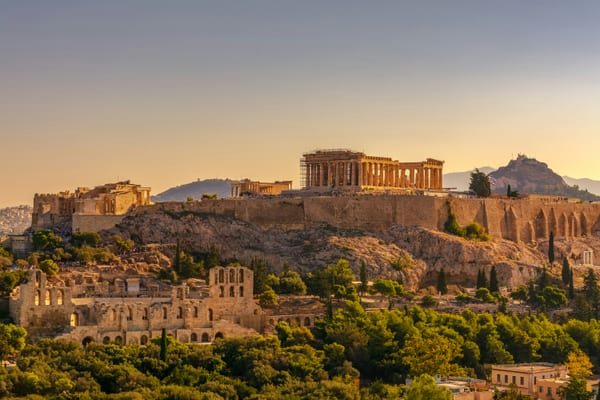



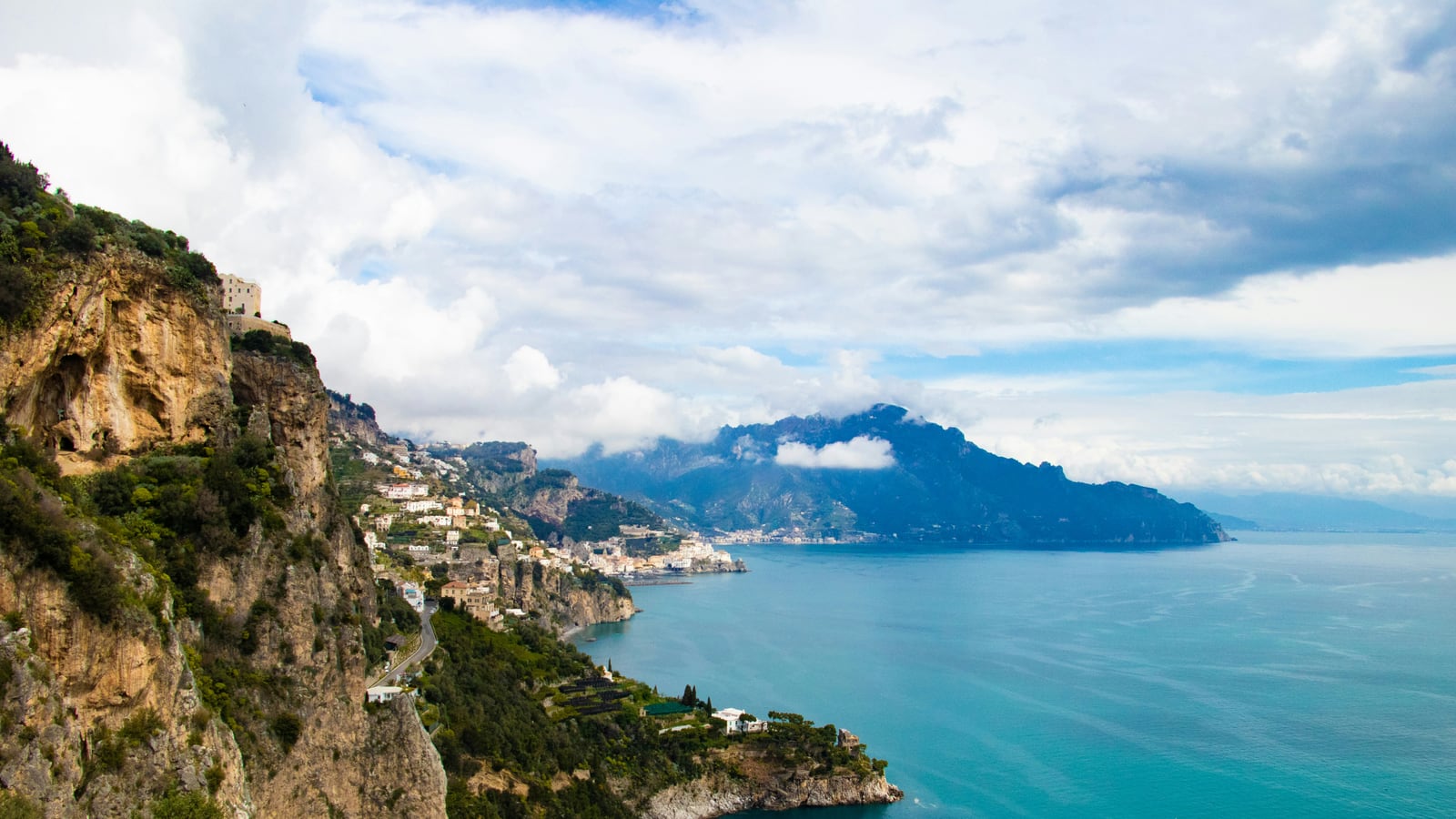




Civitavecchia serves as Rome's gateway port, making it one of the Mediterranean's busiest cruise hubs. Located 50 miles northwest of the Italian capital, this working port gives cruise passengers direct access to the Eternal City's ancient landmarks, Vatican treasures, and Renaissance art—typically via organized shore excursions or independent train travel.
Most cruises calling at Civitavecchia are 7-night Western Mediterranean itineraries that combine Rome with ports like Barcelona, Naples, and the French Riviera. You'll also find 10-12 night voyages extending to Greek islands or the Adriatic, plus shorter 3-5 night sampler cruises from nearby embarkation points.
The port itself is functional rather than scenic, but its strategic position makes it essential for any Mediterranean cruise featuring Rome. Many travelers use Civitavecchia as a turnaround port, arriving a day early to explore Rome before embarkation.
How to choose the right Civitavecchia cruise
Civitavecchia serves as Rome's gateway port, and the cruise you select will determine whether you're exploring the Western Mediterranean's cultural treasures or venturing further into the Eastern Med's ancient wonders.
Consider your Mediterranean priorities
Cruises from Civitavecchia typically fall into two categories: Western Mediterranean itineraries that focus on France, Spain, and Italian coastal cities, or longer Eastern Mediterranean routes that reach Greece, Turkey, and Croatia. If you're drawn to Barcelona's architecture, the French Riviera, and Tuscan ports, stick with Western Med sailings of 7-10 days. Choose Eastern Mediterranean itineraries (10-14 days) if ancient ruins, Greek islands, and less-visited Adriatic ports appeal more than Western Europe's greatest hits. Many cruisers treat Civitavecchia as a convenient starting point to explore Rome before or after sailing, so factor in 2-3 days for the Eternal City regardless of your route.
Match the cruise line to your travel style
Mass-market lines like Royal Caribbean and MSC offer the best value and family-friendly amenities, with multiple dining venues and activities that keep teenagers engaged. Premium lines such as Celebrity and Holland America provide a more refined atmosphere with better food quality and fewer crowds—ideal for couples and mature travelers who prioritize comfort over waterslides. Luxury lines like Oceania and Azamara include shore excursions, specialty dining, and beverages in the fare, which suits travelers who want a seamless, all-inclusive experience without nickel-and-diming. The ship itself matters less on Mediterranean cruises than Caribbean ones since you'll spend more time in port, but onboard atmosphere still shapes your evenings and sea days.
Know who thrives on these itineraries
Civitavecchia cruises work exceptionally well for first-time cruisers and history enthusiasts who want to sample multiple countries without constant hotel changes. Families with older children and teens appreciate the cultural exposure combined with shipboard entertainment, though very young kids may find museum-heavy port days challenging. These itineraries are less ideal for beach-focused travelers—while you'll encounter some Mediterranean coastline, you're not getting Caribbean-style beach days. Couples celebrating milestones often choose these cruises for the romantic European backdrop, especially on smaller ships that access ports like Portofino or Kotor that larger vessels can't reach.
Decide between port-intensive and sea day balance
Seven-night cruises typically visit 4-5 ports with one sea day, which means early mornings and a packed schedule—exhausting but efficient for maximizing destinations. Longer 10-14 night sailings offer better pacing with 2-3 sea days to recover between intensive sightseeing stops. If you're the type who wants to truly explore each destination rather than just tick boxes, look for itineraries with overnight stays in ports like Barcelona or Istanbul, which let you experience evening ambiance and avoid the morning cruise ship crowds. Back-to-back port days sound appealing but can lead to museum fatigue by day five, so don't underestimate the value of a sea day to recharge.
Best time to go on a Civitavecchia cruise
The ideal time for your Civitavecchia cruise depends on whether you prioritize perfect weather, smaller crowds, or better deals.
Peak season (June through August) brings sunshine and crowds
Summer delivers reliably warm, sunny weather with temperatures in the 80s°F, making it perfect for exploring Rome's ancient sites and enjoying the Mediterranean coastline. However, this is when cruise prices peak and you'll encounter the largest crowds both onboard and at popular attractions like the Colosseum and Vatican. Expect to pay premium rates and book shore excursions well in advance, as this is when European families take their summer holidays.
Shoulder season (April, May, September, and October) offers the sweet spot
Spring and early fall provide the best balance of pleasant weather, reasonable prices, and manageable crowds. Temperatures range from the mid-60s to mid-70s°F, ideal for walking tours without the oppressive summer heat. You'll find better cabin rates and shorter lines at major attractions, though you should pack layers for cooler evenings and the occasional rain shower, particularly in April and October.
Off-season (November through March) means bargains but unpredictable weather
Winter cruises offer the lowest prices and the fewest tourists, but come with trade-offs. While Rome rarely sees snow, expect cooler temperatures in the 50s°F, more frequent rain, and some attractions operating on reduced hours. The Mediterranean can also be rougher during winter months, which may affect sensitive sailors. That said, if you don't mind bundling up and can handle some weather uncertainty, you'll enjoy significant savings and have Rome's treasures nearly to yourself.
What Cruises to Civitavecchia Typically Cost
For a typical 7-night cruise to Civitavecchia, expect to pay around $1,417 per person for an interior cabin, though prices start as low as $294 depending on sailing date and cruise line.
- Interior cabins represent the most budget-friendly option, with median pricing at $1,417 per person for a week-long voyage
- Oceanview cabins run approximately $200 more than interior rooms, adding natural light and window views to your accommodation
- Balcony cabins typically cost around $400 more than interior options, offering private outdoor space
- Suite accommodations command premium pricing at nearly double the cost of interior cabins, reflecting additional space and enhanced amenities
- Lowest available fares can dip to $294 for interior cabins during off-peak periods or promotional sailings, though these represent the exception rather than the norm
Pricing varies significantly based on time of year, specific itinerary, and how far in advance you book. Civitavecchia serves as Rome's cruise port, which tends to maintain steady demand across most cabin categories. The $1,100+ range between lowest and median interior pricing underscores the importance of flexible travel dates and early booking for securing better rates.
Top cruise lines for Civitavecchia cruises


Ports of call on Civitavecchia cruises
Barcelona
Barcelona pulses with creative energy, where Gaudí’s surreal architecture and the lively La Rambla promenade set a vibrant urban scene. Stroll through the historic Gothic Quarter or savor tapas in bustling markets, all framed by the city’s distinctive blend of old-world charm and modern flair.
Explore cruises visiting Barcelona →Marseille
Marseille is France’s lively Mediterranean gateway, where cruise ships dock close to a city rich in maritime heritage and Provençal character. Come ashore to explore the historic Vieux-Port, lined with fishing boats and bustling cafés, or wander the narrow lanes of Le Panier, the city’s oldest quarter. The striking Notre-Dame de la Garde basilica offers sweeping views over the terracotta rooftops and sparkling sea. Art lovers can visit the MuCEM, a modern museum at the harbor’s edge, while food enthusiasts sample bouillabaisse and local markets. Marseille also serves as a base for day trips to the dramatic Calanques National Park or the charming towns of Aix-en-Provence and Cassis.
Explore cruises visiting Marseille →Genoa
Genoa’s labyrinthine old town brims with medieval alleyways, vibrant piazzas, and ornate palazzi that hint at its storied maritime past. The city’s bustling harbor and the striking architecture of the UNESCO-listed Via Garibaldi offer a distinct blend of history and lively urban culture.
Explore cruises visiting Genoa →Naples
Naples is a lively port city on Italy’s southwest coast, serving as the gateway to the ancient ruins of Pompeii and the dramatic Amalfi Coast. Come ashore to explore Naples’ historic center, where narrow streets lead to grand piazzas, the ornate Naples Cathedral, and the impressive Royal Palace. The city is known for its vibrant street life, traditional pizzerias, and sweeping views of the Bay of Naples with Mount Vesuvius looming in the distance. Art lovers can visit the National Archaeological Museum, while day trips to Capri, Sorrento, or the cliffside towns of Positano and Ravello are easily arranged from the port.
Explore cruises visiting Naples →Livorno
Livorno blends a lively seafront atmosphere with a distinct Tuscan character, where canals wind through the historic Venezia Nuova district and bustling markets showcase local flavors. The city’s vibrant street art and grand 16th-century fortresses add a unique edge to its coastal charm.
Explore cruises visiting Livorno →Sicily
Sicily welcomes cruise visitors with a blend of dramatic landscapes, ancient ruins, and lively local culture. Ships typically call at ports like Messina or Palermo, both offering easy access to the island’s treasures. Come ashore to explore the historic streets, grand cathedrals, and bustling markets, or venture further to discover the remarkable Greek Theatre in Taormina, perched above the sea with views of Mount Etna. Sicily’s coastline is dotted with inviting beaches, while its countryside reveals olive groves, vineyards, and charming hill towns. Whether you’re sampling local cannoli, wandering through medieval quarters, or taking a day trip to the Valley of the Temples, Sicily offers a memorable taste of southern Italy’s heritage and scenery.
Explore cruises visiting Sicily →Kusadasi
Kusadasi is a lively port town on Turkey’s Aegean coast, known as the gateway to the ancient city of Ephesus. Come ashore to explore Kusadasi’s bustling waterfront, lively bazaars, and the historic Kaleiçi district, or relax on nearby sandy beaches. Many visitors head straight for Ephesus, one of the Mediterranean’s most impressive archaeological sites, where you can walk among grand Roman ruins including the Library of Celsus and the Great Theatre. The port is also close to the House of the Virgin Mary, a pilgrimage site set in the hills, and the hilltop fortress of Kusadasi Castle. Whether you’re interested in history, shopping, or simply soaking up the Aegean sun, Kusadasi offers a memorable introduction to Turkey’s western shore.
Explore cruises visiting Kusadasi →Mykonos
Mykonos enchants with its maze of whitewashed lanes, vibrant bougainvillea, and iconic windmills overlooking the Aegean. The lively harbor and charming Old Town invite exploration, while nearby beaches and waterfront cafés capture the island’s relaxed yet cosmopolitan spirit.
Explore cruises visiting Mykonos →FAQ for booking Civitavecchia cruises
How much should I budget for a cruise to Civitavecchia?
For a 7-night cruise to Civitavecchia, budget around $1,417 per person for an interior cabin, though promotional fares can drop as low as $294 during off-peak periods. Balcony cabins typically run about $400 more than interior options, while suites cost nearly double the interior cabin price. Keep in mind these are cruise-only fares—you'll need to add costs for flights, pre- or post-cruise Rome hotel stays, shore excursions, and onboard expenses.
When is the cheapest time to cruise to Civitavecchia?
November through March offers the lowest cruise prices to Civitavecchia, with significantly reduced fares compared to summer sailings. However, you'll trade savings for cooler temperatures in the 50s°F, more frequent rain, and rougher Mediterranean seas. The shoulder months of April, May, September, and October provide better value than peak summer while maintaining pleasant weather in the 60s-70s°F.
Should I choose a Western or Eastern Mediterranean cruise from Civitavecchia?
Western Mediterranean cruises (7-10 days) focus on France, Spain, and Italian coastal cities like Barcelona and the French Riviera, while Eastern Mediterranean routes (10-14 days) reach Greece, Turkey, and Croatia. Choose Western Med if you want iconic European cities and shorter sailing times; opt for Eastern Med if ancient ruins, Greek islands, and less-visited Adriatic ports appeal more than Western Europe's highlights. Both routes allow you to explore Rome before or after your cruise since Civitavecchia is Rome's port.
Are Civitavecchia cruises good for families with kids?
Civitavecchia cruises work well for families with older children and teens who can appreciate cultural exposure and museum visits, especially on mass-market lines like Royal Caribbean and MSC that offer family-friendly amenities. However, these itineraries are less ideal for very young children who may find museum-heavy port days challenging and won't benefit from the historical significance. Beach-focused families should also note that Mediterranean itineraries don't offer Caribbean-style beach days, though you'll encounter some coastal scenery.
How many sea days should I expect on a Civitavecchia cruise?
Seven-night cruises typically include just one sea day with 4-5 port stops, creating a packed schedule with early mornings at each destination. Longer 10-14 night sailings offer better pacing with 2-3 sea days between intensive sightseeing stops, giving you time to recover from museum fatigue. If you prefer thorough exploration over checking off multiple destinations, look for itineraries with overnight port stays in cities like Barcelona or Istanbul to avoid morning cruise crowds.
What's the difference between mass-market and premium cruise lines to Civitavecchia?
Mass-market lines like Royal Caribbean and MSC offer the best value with family-friendly amenities and multiple dining venues, while premium lines such as Celebrity and Holland America provide a more refined atmosphere with better food quality and fewer crowds suited for couples and mature travelers. Luxury lines like Oceania and Azamara include shore excursions, specialty dining, and beverages in the fare, eliminating nickel-and-diming for an all-inclusive experience. Since you'll spend more time in port on Mediterranean cruises than Caribbean ones, the ship matters less, but onboard atmosphere still shapes your evenings and sea days.
Is a Civitavecchia cruise worth it for first-time cruisers?
Civitavecchia cruises are exceptionally well-suited for first-time cruisers and history enthusiasts who want to sample multiple European countries without constantly changing hotels. The port serves as Rome's gateway, allowing you to combine a cruise with 2-3 days exploring the Eternal City's ancient sites before or after sailing. These itineraries offer efficient cultural exposure with the convenience of unpacking once, though they require more energy than relaxing Caribbean cruises due to port-intensive schedules and walking-heavy shore excursions.