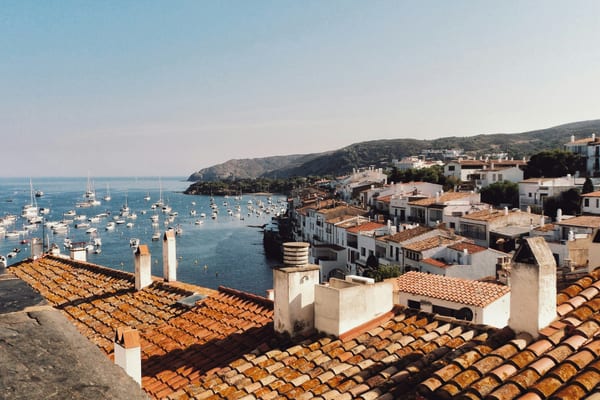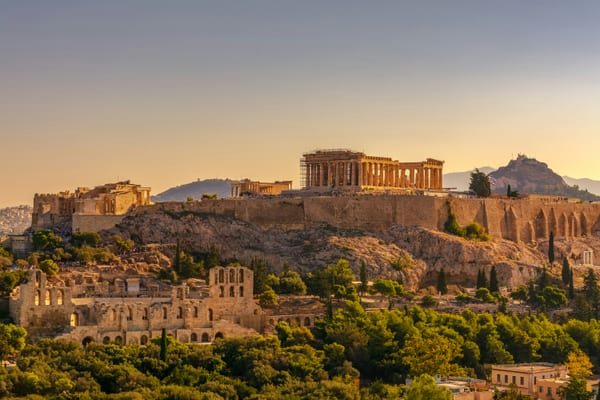



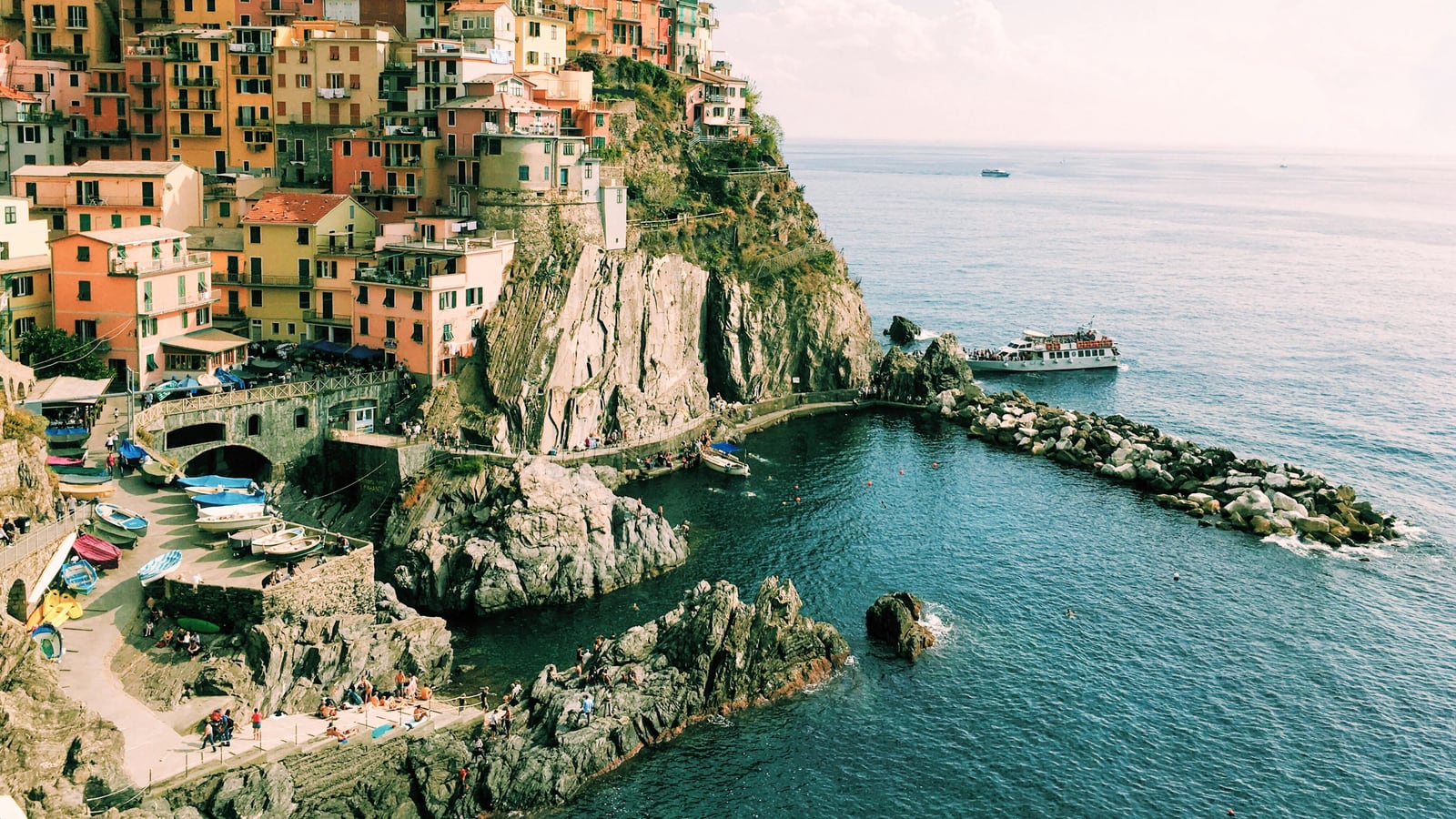




Italy ranks among the Mediterranean's most sought-after cruise destinations, offering access to ancient ruins, Renaissance art, and coastal villages that would take weeks to visit independently. Most cruise lines feature Italy prominently in their Mediterranean programs, with ports positioned to maximize your time ashore.
Typical itineraries range from 7-night Mediterranean loops to 10–12 night voyages combining Italy with Greece, Croatia, or the French Riviera. Shorter 3–5 night sailings focus exclusively on Italian ports. The main gateways—Civitavecchia (Rome), Venice, Livorno (Florence/Pisa), and Naples (Pompeii/Amalfi Coast)—provide efficient access to Italy's major attractions, while smaller ports like Portofino and Taormina offer more intimate experiences.
How to choose the right Italy cruise
Italy's cruise options vary widely by region, departure port, and onboard style—here's how to match the right itinerary and cruise line to your travel priorities.
Understand the regional differences
Italy cruises typically fall into three categories: Western Mediterranean loops that include French and Spanish ports alongside Italian stops like Civitavecchia (Rome), Naples, and Sicily; Adriatic itineraries departing from Venice that focus on Croatia, Greece, and Italy's eastern coast; and dedicated Italian Riviera sailings that concentrate on Genoa, Portofino, and the French Riviera. If your priority is maximizing time in Italy itself, look for itineraries with three or more Italian ports rather than those using Italy as a single stop on a broader Mediterranean tour. Venice and Rome (Civitavecchia) are the most common departure ports, with Barcelona and Athens also serving as gateways for Italy-inclusive routes.
Match the cruise line to your travel style
Mass-market lines like Royal Caribbean and MSC offer larger ships with extensive family amenities, multiple dining venues, and competitive pricing—ideal for multigenerational groups or first-time cruisers who want a resort-like experience. Premium lines such as Celebrity and Holland America provide a more refined atmosphere with better staff-to-guest ratios and included perks, suiting couples and travelers who prioritize service over entertainment options. Luxury and small-ship operators like Oceania, Azamara, and Windstar offer longer port stays (sometimes overnight), more obscure Italian harbors like Sorrento or Portofino, and all-inclusive pricing—best for experienced cruisers who view the ship as a floating hotel rather than the main attraction.
Consider itinerary length and port intensity
Seven-night cruises are standard but often rush through ports with just 8–10 hours ashore, which can feel frantic when visiting dense destinations like Rome or Florence (via Livorno). Ten- to twelve-night itineraries allow for better pacing and often include overnights in Venice or extended stays in Amalfi Coast ports. If you're planning significant shore excursions—Pompeii from Naples, a Tuscany wine tour from Livorno, or a day trip to Capri—choose itineraries that dock early and depart late, or consider booking pre- or post-cruise hotel stays in embarkation cities to explore without the time pressure of ship departures.
Who Italy cruises suit best
Italy cruises work exceptionally well for first-time European visitors who want to sample multiple destinations without constant hotel changes, and for history enthusiasts who can access ancient sites from Naples, Rome, and Sicily in a single trip. Families with teens appreciate the combination of cultural enrichment and onboard activities, though very young children may find port days exhausting. Couples seeking romance should prioritize smaller ships with Amalfi Coast or Cinque Terre stops, while cruise veterans often prefer repositioning cruises in spring or fall that offer unusual itineraries at better value than peak summer sailings.
Best time to go on an Italy cruise
The ideal time for your Italy cruise depends on whether you prioritize perfect weather, smaller crowds, or better value.
Peak season (June through August) brings sunshine and crowds
Summer offers the warmest Mediterranean weather with long, sunny days perfect for exploring coastal towns and swimming in crystal-clear waters. However, this is when you'll encounter the highest prices, fully booked shore excursions, and crowded attractions at popular ports like Venice, Rome, and the Amalfi Coast. Temperatures can soar into the 90s°F, making midday sightseeing uncomfortable, and you'll be competing with Europe's summer vacation crowds at every turn.
Shoulder season (April, May, September, and October) offers the sweet spot
These months deliver the best balance of pleasant weather, manageable crowds, and reasonable pricing. Spring brings blooming landscapes and temperatures in the comfortable 60s-70s°F, while early fall offers warm seas and harvest season in wine regions. You'll find shorter lines at major attractions, better availability at restaurants, and more authentic interactions with locals. Occasional rain showers are possible, particularly in spring, but they're usually brief and shouldn't disrupt your plans.
Off-season (November through March) means bargains but trade-offs
Winter cruises offer the lowest fares and the smallest crowds, but come with significant compromises. Many coastal businesses close for the season, some shore excursions may be unavailable, and you'll face cooler temperatures (40s-50s°F) with higher chances of rain. That said, cities like Rome, Florence, and Naples remain vibrant year-round, and you'll have museums and historical sites largely to yourself. If you don't mind layering up and can work around shorter daylight hours, the savings can be substantial.
What Italy Cruises Typically Cost
For a typical 7-night cruise to Italy, expect to pay around $1,269 per person for an interior cabin, though prices start as low as $149 depending on timing and availability.
- Interior cabins serve as the baseline, with median pricing at $1,269 per person for the week-long voyage
- Oceanview cabins run about $200 more than interior options, adding natural light and window views to your accommodation
- Balcony cabins typically cost around $450 more than interior rooms, offering private outdoor space to enjoy Mediterranean scenery
- Suite accommodations command premium pricing at roughly double the interior rate, reflecting additional space and enhanced amenities
- Departure timing matters significantly—that $149 starting price represents off-peak or last-minute inventory, while summer Mediterranean sailings trend toward the higher end
These figures reflect per-person rates based on double occupancy and cover your accommodation, meals, and onboard entertainment. Port fees, gratuities, shore excursions, and beverages typically add to the base fare, so factor in an additional 20-30% when budgeting for your total trip cost.
Top cruise lines for Italy cruises



Ports of call on Italy cruises
Civitavecchia
Civitavecchia serves as the main gateway to Rome, with cruise ships docking at this busy port on the Tyrrhenian Sea. While the port itself offers a glimpse of local life and a historic fort, most visitors head straight for the Eternal City, just over an hour away. In Rome, ancient wonders like the Colosseum, Roman Forum, and Pantheon await, alongside the treasures of Vatican City and St. Peter’s Basilica. For those staying closer to port, Civitavecchia’s seafront promenade, local markets, and the 16th-century Michelangelo Fortress offer a pleasant introduction to the region. The surrounding Lazio countryside also tempts with medieval towns and Etruscan sites, making Civitavecchia a practical starting point for exploring central Italy’s rich history and culture.
Explore cruises visiting Civitavecchia →Naples
Naples is a lively port city on Italy’s southwest coast, serving as the gateway to the ancient ruins of Pompeii and the dramatic Amalfi Coast. Come ashore to explore Naples’ historic center, where narrow streets lead to grand piazzas, the ornate Naples Cathedral, and the impressive Royal Palace. The city is known for its vibrant street life, traditional pizzerias, and sweeping views of the Bay of Naples with Mount Vesuvius looming in the distance. Art lovers can visit the National Archaeological Museum, while day trips to Capri, Sorrento, or the cliffside towns of Positano and Ravello are easily arranged from the port.
Explore cruises visiting Naples →Genoa
Genoa’s labyrinthine old town brims with medieval alleyways, vibrant piazzas, and ornate palazzi that hint at its storied maritime past. The city’s bustling harbor and the striking architecture of the UNESCO-listed Via Garibaldi offer a distinct blend of history and lively urban culture.
Explore cruises visiting Genoa →Livorno
Livorno blends a lively seafront atmosphere with a distinct Tuscan character, where canals wind through the historic Venezia Nuova district and bustling markets showcase local flavors. The city’s vibrant street art and grand 16th-century fortresses add a unique edge to its coastal charm.
Explore cruises visiting Livorno →Palermo
Come ashore in Palermo, Sicily’s lively capital, where grand piazzas, ornate churches, and bustling markets reflect centuries of Mediterranean history. The port sits close to the heart of the city, making it easy to explore the impressive Palermo Cathedral, the golden mosaics of the Palatine Chapel, and the atmospheric streets of the old town. Wander through the lively Ballarò and Vucciria markets for a taste of local life, or relax in the shade of the city’s botanical gardens. Just beyond the city, the seaside village of Mondello offers sandy beaches and clear waters, while the hillside town of Monreale is famed for its stunning Norman cathedral and panoramic views. Palermo’s blend of Arab, Norman, and Baroque influences makes it a fascinating gateway to Sicily’s rich culture and cuisine.
Explore cruises visiting Palermo →Sicily
Sicily welcomes cruise visitors with a blend of dramatic landscapes, ancient ruins, and lively local culture. Ships typically call at ports like Messina or Palermo, both offering easy access to the island’s treasures. Come ashore to explore the historic streets, grand cathedrals, and bustling markets, or venture further to discover the remarkable Greek Theatre in Taormina, perched above the sea with views of Mount Etna. Sicily’s coastline is dotted with inviting beaches, while its countryside reveals olive groves, vineyards, and charming hill towns. Whether you’re sampling local cannoli, wandering through medieval quarters, or taking a day trip to the Valley of the Temples, Sicily offers a memorable taste of southern Italy’s heritage and scenery.
Explore cruises visiting Sicily →FAQ for booking Italy cruises
What's included in the price of an Italy cruise?
Your base cruise fare covers accommodation, main dining room meals, buffet options, and most onboard entertainment, but several expenses are extra. Port fees, gratuities (typically $12-15 per person per day), alcoholic beverages, specialty restaurants, shore excursions, and spa services will add to your total cost—budget an additional 20-30% beyond the advertised fare to account for these extras.
How far in advance should I book an Italy cruise?
Booking 6-12 months ahead typically offers the best selection of cabin types and itineraries, especially for peak summer sailings when demand is highest. However, if you have flexibility with dates and cabin categories, last-minute deals (within 90 days of departure) can yield significant savings, particularly for shoulder and off-season departures when cruise lines discount unsold inventory.
What's the difference between Western Mediterranean and Adriatic Italy cruises?
Western Mediterranean itineraries focus on Italy's western coast with ports like Rome (Civitavecchia), Naples, and Sicily, typically combined with stops in France and Spain, while Adriatic cruises depart from Venice and emphasize Italy's eastern coast alongside Croatian and Greek ports. Choose Western Mediterranean routes if you prioritize Rome, Pompeii, and the Amalfi Coast; opt for Adriatic sailings if Venice, Croatia, and Greek islands are higher on your list.
Are Italy cruises good for first-time cruisers?
Italy cruises are excellent for cruise newcomers, particularly those who want to experience multiple European destinations without repeatedly packing and changing hotels. The combination of iconic ports (Rome, Venice, Florence), straightforward logistics, and the variety of cruise line options—from family-friendly mass-market ships to refined premium vessels—makes Italy one of the most accessible Mediterranean cruise destinations for first-timers.
Is it better to cruise Italy in spring or fall?
Both spring (April-May) and fall (September-October) offer the ideal balance of pleasant weather, smaller crowds, and reasonable pricing, making either season preferable to summer's heat and congestion. Spring brings blooming landscapes and temperatures in the 60s-70s°F, while fall offers warm seas and harvest season in wine regions—choose spring if you prefer cooler weather and don't mind occasional showers, or fall if you want warmer water temperatures and wine country experiences.
How much time do you actually get in each Italian port?
Most 7-night Italy cruises allow 8-10 hours in port, which can feel rushed when visiting major destinations like Rome or Florence that require significant travel time from the cruise terminal. If you're planning ambitious shore excursions to sites like Pompeii, Tuscany vineyards, or Capri, look for itineraries with early arrivals and late departures, or consider 10-12 night cruises that often include overnight stays in Venice or extended port times along the Amalfi Coast.
Do I need a small ship or large ship for an Italy cruise?
Large ships from mass-market lines offer more onboard amenities, family activities, and competitive pricing but typically visit only major ports with shorter stays, while small ships access intimate harbors like Portofino and Sorrento with longer port times (sometimes overnight) and more personalized service. Choose a large ship if onboard entertainment and dining variety matter to you, or a small ship if you view the vessel primarily as transportation and prefer maximizing time exploring Italy itself.