


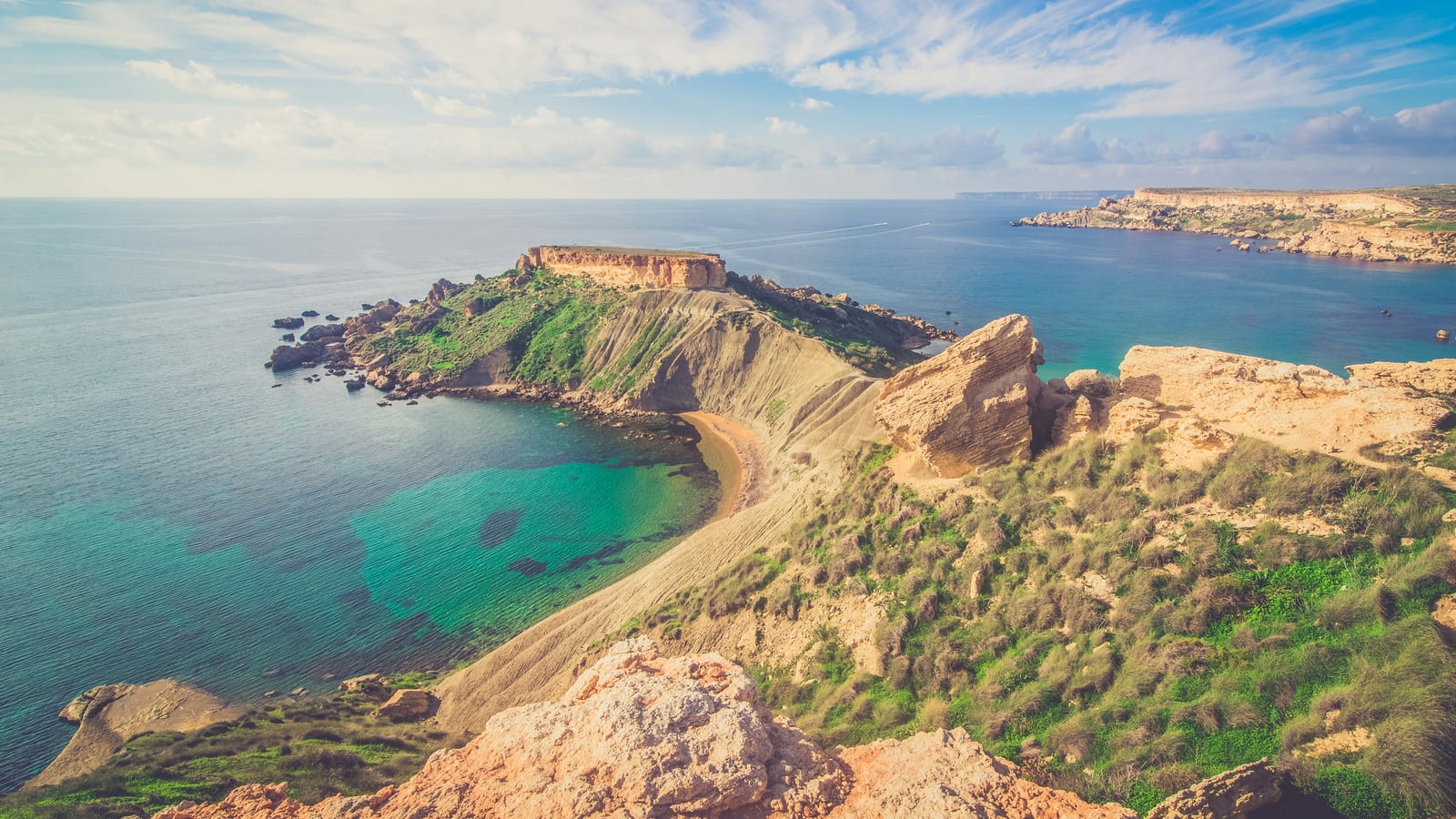




Malta serves as both a popular embarkation port and a compelling Mediterranean port of call, offering cruise passengers a concentrated dose of European history within a compact island setting. The capital, Valletta—a UNESCO World Heritage site—sits just minutes from the cruise terminal, making it ideal for shore excursions focused on Baroque architecture, Knights of Malta history, and fortified harbors.
Most Malta cruises fall into 7-night Mediterranean itineraries that pair the island with Sicily, the Greek Isles, or the Italian coast. You'll also find 10–14 night voyages that include Malta as part of broader Eastern Mediterranean routes. The island's strategic location means it frequently appears on repositioning cruises between Western and Eastern Med seasons.
Beyond Valletta, cruise lines typically offer excursions to Mdina's medieval streets, the ancient temples of Ħaġar Qim, or the Blue Grotto's limestone caves—all manageable within a standard port day.
How to choose the right Malta cruise
Malta's central Mediterranean location makes it a popular port on diverse itineraries, so understanding which route and cruise line matches your travel style is key to getting the experience you want.
Decide between Malta as a port or home base
Most Malta cruises fall into two categories: those that simply call at Valletta during a broader Mediterranean voyage, or those that use Malta as a turnaround port for embarkation and disembarkation. If you're keen to explore Malta in depth, choose an itinerary that begins or ends there—you'll have the flexibility to arrive early or stay late and really experience the islands beyond a single port day. Cruises that only stop in Malta typically give you 8–12 hours ashore, which is enough for Valletta's highlights but won't let you venture to Mdina, the Blue Grotto, or Gozo.
Match your itinerary to the regions you want to see
Malta appears on several distinct Mediterranean routes, and your choice determines what else you'll experience. Western Mediterranean itineraries typically pair Malta with Italy (Sicily, Rome, Naples), Spain (Barcelona, Valencia), and southern France, making them ideal if you want a mix of ancient history and cosmopolitan cities. Eastern Mediterranean cruises often combine Malta with Greece, Croatia, and sometimes Turkey or Israel—choose this if island-hopping and archaeological sites appeal to you. Some repositioning cruises use Malta as a stopover between Northern Europe and the Middle East, offering unusual port combinations but longer sea days.
Consider cruise line style and ship size
Malta's Grand Harbour can accommodate mega-ships, but the experience differs significantly by cruise line. Mass-market lines like MSC, Costa, and Royal Caribbean offer good value and family-friendly amenities, though you'll share Valletta's narrow streets with thousands of other passengers. Premium and luxury lines (Oceania, Azamara, Viking, Seabourn) carry fewer guests, often dock longer or overnight, and attract travelers who prioritize destination immersion over onboard entertainment. Smaller expedition-style ships occasionally include Malta on cultural-focused itineraries and can access quieter harbors, though these sailings are less common.
Know who Malta cruises suit best
Malta works well for history enthusiasts and first-time Mediterranean cruisers who want a concentrated dose of culture without overwhelming crowds (outside the main cruise ship rush hours). Couples and mature travelers tend to appreciate Valletta's Baroque architecture, Knights of St. John history, and walkable old town. Families can find value here too, especially on itineraries that combine Malta with beach-heavy stops in Sicily or the Greek islands, though Malta itself is more about fortresses and museums than resort-style beaches. If you're a repeat cruiser looking for something beyond the standard Western Med circuit, Malta-inclusive Eastern Mediterranean routes offer a fresh alternative.
Best time to go on a Malta cruise
The ideal time for your Malta cruise depends on whether you prioritize perfect weather, smaller crowds, or budget-friendly rates.
Peak season: May through September
Summer brings guaranteed sunshine and warm Mediterranean waters, making this the most popular time for Malta cruises. Expect temperatures in the high 80s°F (30°C+), bustling ports, and premium pricing—especially in July and August when European vacationers flood the islands. Book well in advance if you're set on these months, as ships fill quickly and shore excursions sell out.
Shoulder season: April and October
These months offer the sweet spot for many travelers, with pleasant temperatures in the 70s°F (low 20s°C), significantly lower cruise fares, and manageable crowds at Valletta's historic sites. You'll still enjoy reliable sunshine and calm seas, though occasional spring showers in April are possible. Shoulder season delivers excellent value without sacrificing the Mediterranean experience.
Off-season: November through March
Winter cruises to Malta come with rock-bottom prices and nearly empty attractions, but weather becomes unpredictable with cooler temperatures (50-60°F/10-15°C) and frequent rain. The sea can be rougher during these months, though Malta doesn't face hurricane season like Caribbean destinations. This period works well for budget-conscious travelers who don't mind layering up and can be flexible with outdoor plans.
What Malta Cruises Typically Cost
For a typical 7-night cruise to Malta, expect to pay around $1,339 per person for an interior cabin, though prices start as low as $324 depending on sailing dates and availability.
- Interior cabins represent the most budget-friendly option, with median pricing at $1,339 per person for the week-long voyage
- Oceanview cabins run approximately $200 more than interior rooms, adding natural light and window views to your accommodation
- Balcony cabins typically cost around $430 more than interior options, offering private outdoor space to enjoy Mediterranean breezes
- Suite accommodations command premium pricing at roughly double the interior cabin rate, providing expanded living areas and enhanced amenities
- Pricing varies significantly based on season, specific itinerary, and how far in advance you book—the gap between lowest and median rates demonstrates potential savings of over $1,000 per person
These figures reflect per-person rates based on double occupancy and cover accommodation and onboard meals, but don't include port fees, gratuities, excursions, or specialty dining. Malta itineraries often combine multiple Mediterranean ports, so total cruise costs will depend on the specific route and cruise line you select.
Top cruise lines for Malta cruises


Ports of call on Malta cruises
Valletta
Come ashore in Valletta, Malta’s striking capital, where grand limestone fortifications overlook the sparkling Mediterranean. The port sits just below the city’s historic heart, making it easy to explore the narrow streets lined with Baroque palaces, churches, and lively cafés. Don’t miss St. John’s Co-Cathedral, renowned for its ornate interior and Caravaggio masterpiece, or the Upper Barrakka Gardens, offering sweeping harbor views. Valletta’s compact size invites wandering, with museums, local markets, and waterfront promenades all close at hand. Beyond the city, day trips reveal ancient temples, charming fishing villages, and the scenic Blue Grotto, making Valletta a memorable gateway to Malta’s rich history and coastal beauty.
Explore cruises visiting Valletta →Barcelona
Barcelona pulses with creative energy, where Gaudí’s surreal architecture and the lively La Rambla promenade set a vibrant urban scene. Stroll through the historic Gothic Quarter or savor tapas in bustling markets, all framed by the city’s distinctive blend of old-world charm and modern flair.
Explore cruises visiting Barcelona →Marseille
Marseille is France’s lively Mediterranean gateway, where cruise ships dock close to a city rich in maritime heritage and Provençal character. Come ashore to explore the historic Vieux-Port, lined with fishing boats and bustling cafés, or wander the narrow lanes of Le Panier, the city’s oldest quarter. The striking Notre-Dame de la Garde basilica offers sweeping views over the terracotta rooftops and sparkling sea. Art lovers can visit the MuCEM, a modern museum at the harbor’s edge, while food enthusiasts sample bouillabaisse and local markets. Marseille also serves as a base for day trips to the dramatic Calanques National Park or the charming towns of Aix-en-Provence and Cassis.
Explore cruises visiting Marseille →Sicily
Sicily welcomes cruise visitors with a blend of dramatic landscapes, ancient ruins, and lively local culture. Ships typically call at ports like Messina or Palermo, both offering easy access to the island’s treasures. Come ashore to explore the historic streets, grand cathedrals, and bustling markets, or venture further to discover the remarkable Greek Theatre in Taormina, perched above the sea with views of Mount Etna. Sicily’s coastline is dotted with inviting beaches, while its countryside reveals olive groves, vineyards, and charming hill towns. Whether you’re sampling local cannoli, wandering through medieval quarters, or taking a day trip to the Valley of the Temples, Sicily offers a memorable taste of southern Italy’s heritage and scenery.
Explore cruises visiting Sicily →Civitavecchia
Civitavecchia serves as the main gateway to Rome, with cruise ships docking at this busy port on the Tyrrhenian Sea. While the port itself offers a glimpse of local life and a historic fort, most visitors head straight for the Eternal City, just over an hour away. In Rome, ancient wonders like the Colosseum, Roman Forum, and Pantheon await, alongside the treasures of Vatican City and St. Peter’s Basilica. For those staying closer to port, Civitavecchia’s seafront promenade, local markets, and the 16th-century Michelangelo Fortress offer a pleasant introduction to the region. The surrounding Lazio countryside also tempts with medieval towns and Etruscan sites, making Civitavecchia a practical starting point for exploring central Italy’s rich history and culture.
Explore cruises visiting Civitavecchia →FAQ for booking Malta cruises
What's included in the price of a Malta cruise?
Your Malta cruise fare covers your cabin, onboard meals in main dining venues, and most entertainment, but several costs are extra. Port fees, gratuities (typically $12–15 per person per day), shore excursions, specialty restaurants, alcoholic beverages, and spa services will add to your total expense. Budget an additional 25–40% beyond the base cruise fare to account for these extras, especially if you plan to book guided tours at each port.
Is Malta better as a port stop or as an embarkation port?
Malta works best as an embarkation or disembarkation port if you want to truly explore beyond Valletta, as standard port calls typically give you only 8–12 hours ashore. Choosing an itinerary that starts or ends in Malta lets you arrive early or extend your stay to visit Mdina, the Blue Grotto, Gozo, and other sites that are difficult to reach during a brief port call. If you're primarily interested in Valletta's historic center and the Grand Harbour views, a single port day can suffice.
Should I choose a Western or Eastern Mediterranean itinerary with Malta?
Western Mediterranean routes pair Malta with Italy, Spain, and southern France, making them ideal if you want a mix of major cities and ancient Roman sites. Eastern Mediterranean itineraries combine Malta with Greece, Croatia, and sometimes Turkey or Israel, which appeals more to travelers interested in island-hopping and archaeological exploration. Your decision should depend on which other destinations you're most eager to see, as Malta itself offers a similar experience regardless of the route.
When should I book a Malta cruise to get the best price?
Booking 6–12 months in advance typically secures the best combination of cabin selection and pricing, especially for peak summer sailings (May–September) that fill quickly. Shoulder season departures in April and October offer the most flexibility, as these months see lower demand and occasional last-minute deals, though waiting too long risks limited cabin availability. The pricing gap between advance bookings and last-minute rates can exceed $1,000 per person, so early planning generally pays off for Malta itineraries.
Are Malta cruises good for first-time cruisers?
Malta cruises work well for first-time cruisers who want a culturally rich Mediterranean experience without the overwhelming scale of purely resort-focused itineraries. The compact, walkable nature of Valletta makes it easy to explore independently during port calls, and Malta-inclusive routes typically visit other accessible, history-rich destinations that don't require complex shore excursion planning. However, if you're seeking primarily beach and relaxation experiences, consider itineraries that balance Malta with more beach-heavy stops in Sicily or the Greek islands.
What's the difference between mass-market and luxury cruise lines for Malta?
Mass-market lines like MSC, Royal Caribbean, and Costa offer lower fares and extensive onboard amenities but carry thousands of passengers who all disembark into Valletta simultaneously, creating crowded conditions in the narrow streets. Premium and luxury lines such as Oceania, Azamara, and Viking carry fewer guests, often stay in port longer (sometimes overnight), and attract travelers prioritizing destination immersion over entertainment options. The experience in Malta itself differs significantly—smaller ships mean you'll share historic sites with fewer fellow passengers and have more flexibility to explore at your own pace.
Is October a good time for a Malta cruise?
October represents one of the best value periods for Malta cruises, with temperatures still pleasant in the low 70s°F (around 21°C) and significantly lower fares than summer months. You'll encounter smaller crowds at Valletta's attractions and more availability for shore excursions, though you should expect occasional rain showers. The Mediterranean Sea remains calm enough for comfortable sailing, making October an excellent choice for travelers who want the Malta experience without peak-season pricing or congestion.